Close your eyes and picture it: it’s a Friday night and you’re out with your pals at the arcade inside the mall. The lights from the cabinets flash like warm invitations, the scent of pizza wafts through the space filled with enthusiastic chatter, and the arcade music bring you a sense of comfort and slight overstimulation, but you are on a mission. Back then, a single, shiny arcade token held your gaming progress in the palm of your hand. The clink of those coins dropping into a cabinet wasn’t just payment, it was the promise of an epic adventure lying before you.
Then fast forward a few short decades, and our tokens have gone digital, scattered across battle passes, loot boxes, and those colorful in-app gemstones.
This is the bittersweet story of how we went from pockets full of quarters to digital wallets full of virtual currency, and what that evolution says about how gaming (and us gamers) have changed.
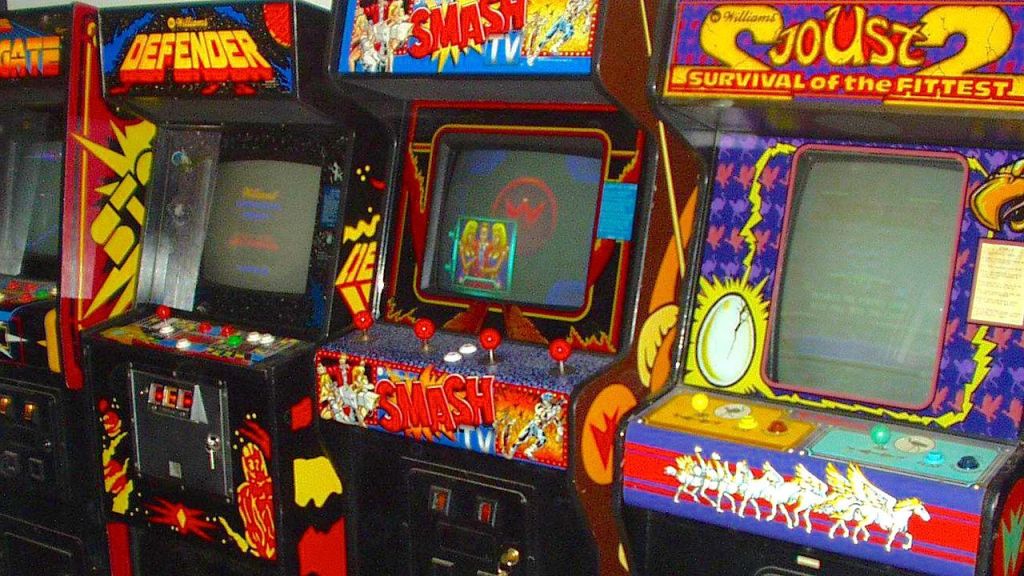
Back in the 80s and 90s, tokens and quarters were the lifeblood of arcades. They created a physical connection between player and game. Every Continue? countdown made you dig through your pockets in a panic before the timer ran out. Each coin meant something: time, effort, skill. Oh, and patience.
Arcade economies were simple. You paid per play, your progress reset every time, and bragging rights lived on the playground at recess or in the hallway between classes. No subscriptions. No season passes. No DLCs. Just pure adrenaline and a handful of coins.
When home consoles arrived, the economy shifted from per play to per cartridge. Games became possessions, not experiences you rented by the minute. Owning a game was owning a world, and we absolutely could NOT get enough of it.
This era introduced the first sense of digital value: memory cards, save files, and unlockable content you earned through skill, not spending. But even then, whispers of what would come next were already coded in: cheat codes, secret unlocks, and the early prototypes of exclusive content.
Then Y2K came along and with it, the widened popularity of the World Wide Web. Suddenly, the economy of gaming fractured into even more fragments. Expansions, skins, upgrades, and cosmetics, just to name a few. Developers realized the real treasure chest wasn’t in selling the game once, but in keeping players invested both materially and monetarily.
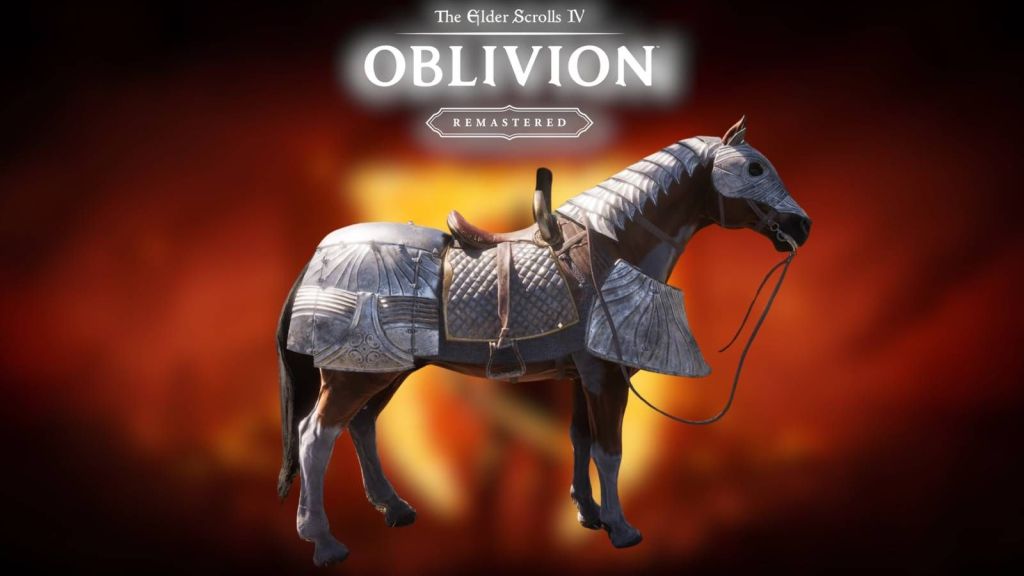
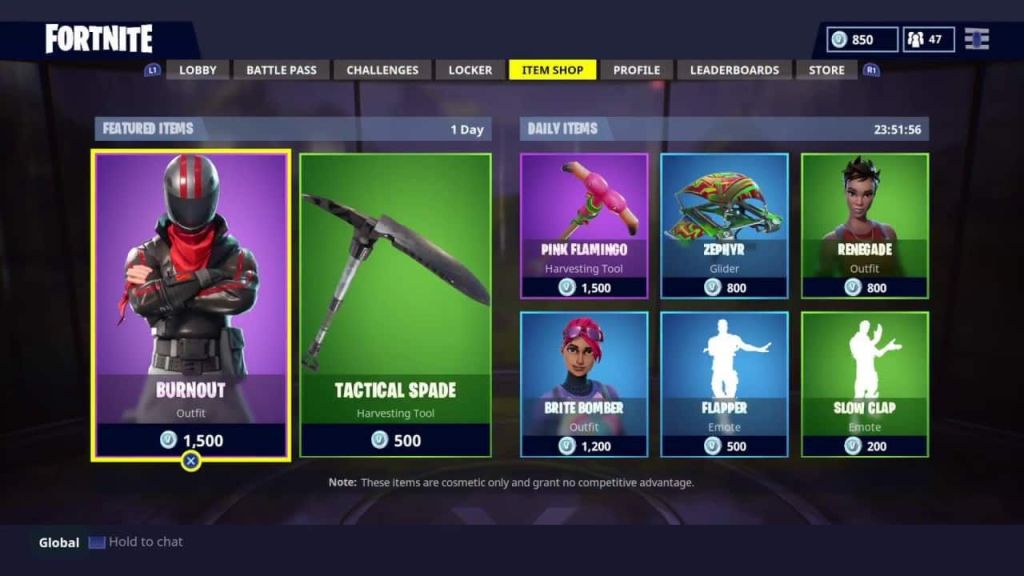
From horse armor in Oblivion to Fortnite skins, microtransactions became the new tokens. The dopamine hit of a purchase replaced the clink of a coin, only now, you don’t need a trip to the arcade. Just a saved credit card.
Now, with subscription models like Game Pass and hybrid economies in live-service titles, we’re seeing another shift back toward access over ownership. Ironically, we’ve returned to the arcade mindset: pay to play, one more round at a time. Only now, our arcades are worldwide, digital, and always online.

The story of game currency isn’t just about money, it’s about meaning and memories. Tokens, cartridges, loot boxes: each era reflects what players value most.
In the end, the real game economy is the one between nostalgia and progress.
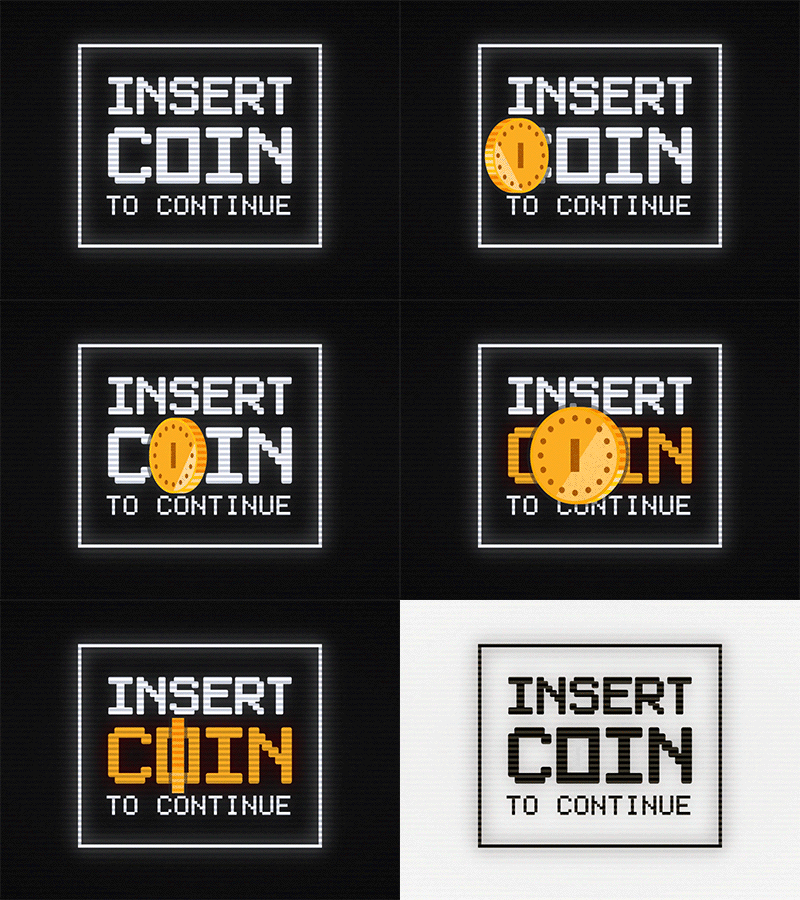
So next time you tap Confirm Purchase, just remember: once upon a time, that click was a coin.
Remember a world before the microtransaction? Comment below to add to the discussion and share on your socials to keep the convo going!



 The Pixel Parlor
Leave a comment