
Welcome to another installment of The Bad Rap, where we discuss some of anime’s most notorious baddies and saddies and try to dig to the root of their character issues while deciding if they truly deserve their Bad Rap! Today, we have anime’s very own twisted freedom fighter with an anger that destroys worlds: the one and only Eren Yeager.
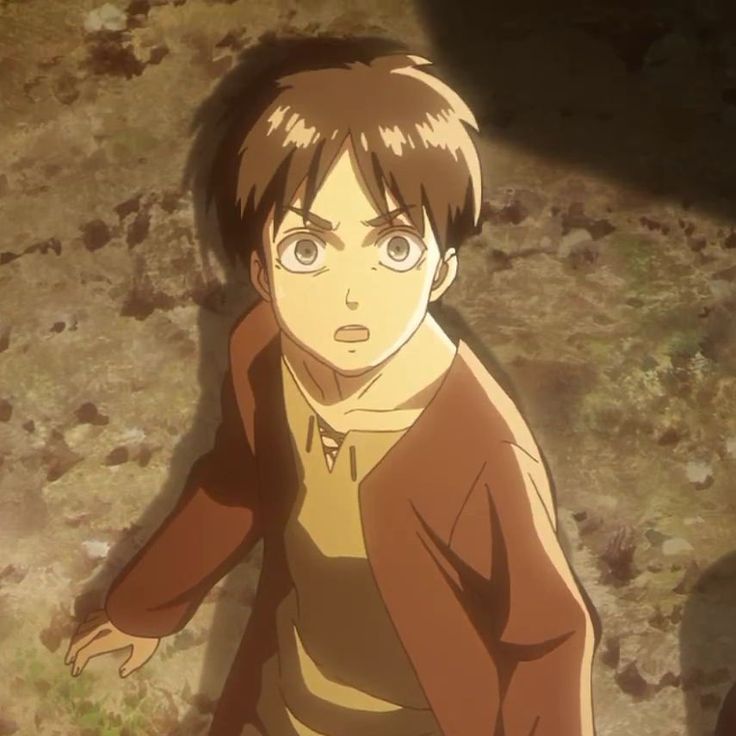
Few anime characters inspire as much debate, anger, and reluctant admiration as Eren Yeager. By the end of Attack on Titan, his name is synonymous with destruction, genocide, and moral collapse. Yet also with sacrifice, inevitability, and grim resolve. So the question remains: did Eren Yeager truly deserve his bad reputation, or was he a product of a broken world with no good options?
The answer, frustratingly and fittingly, lies somewhere in between.
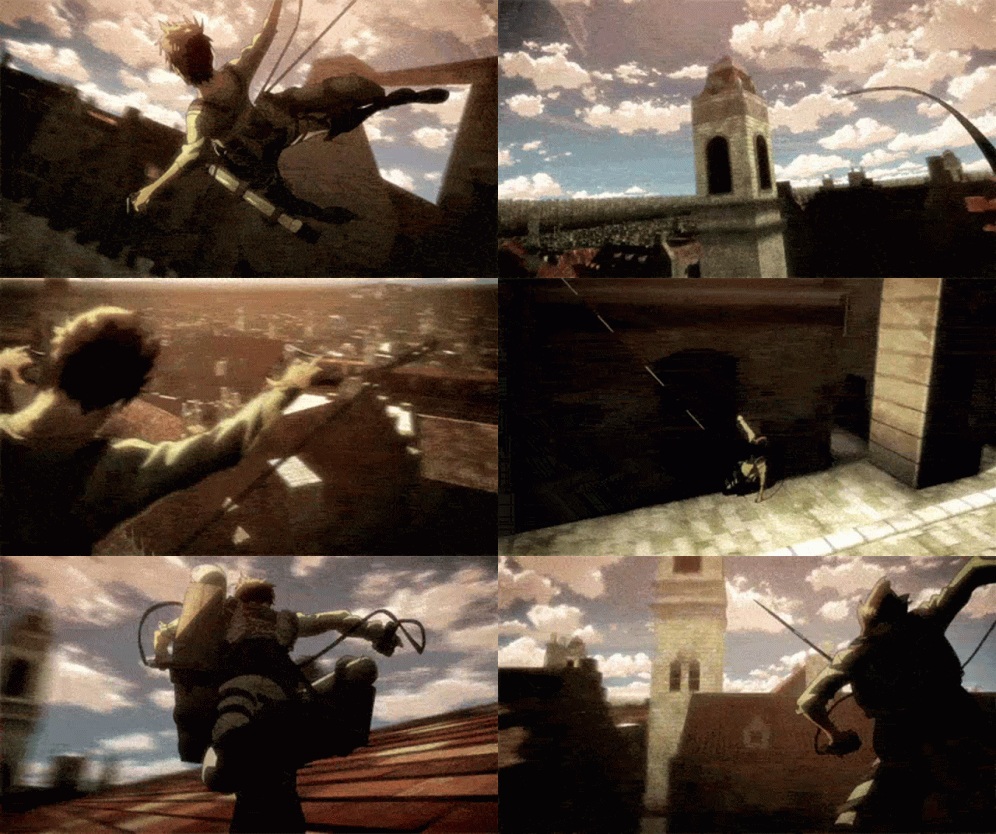
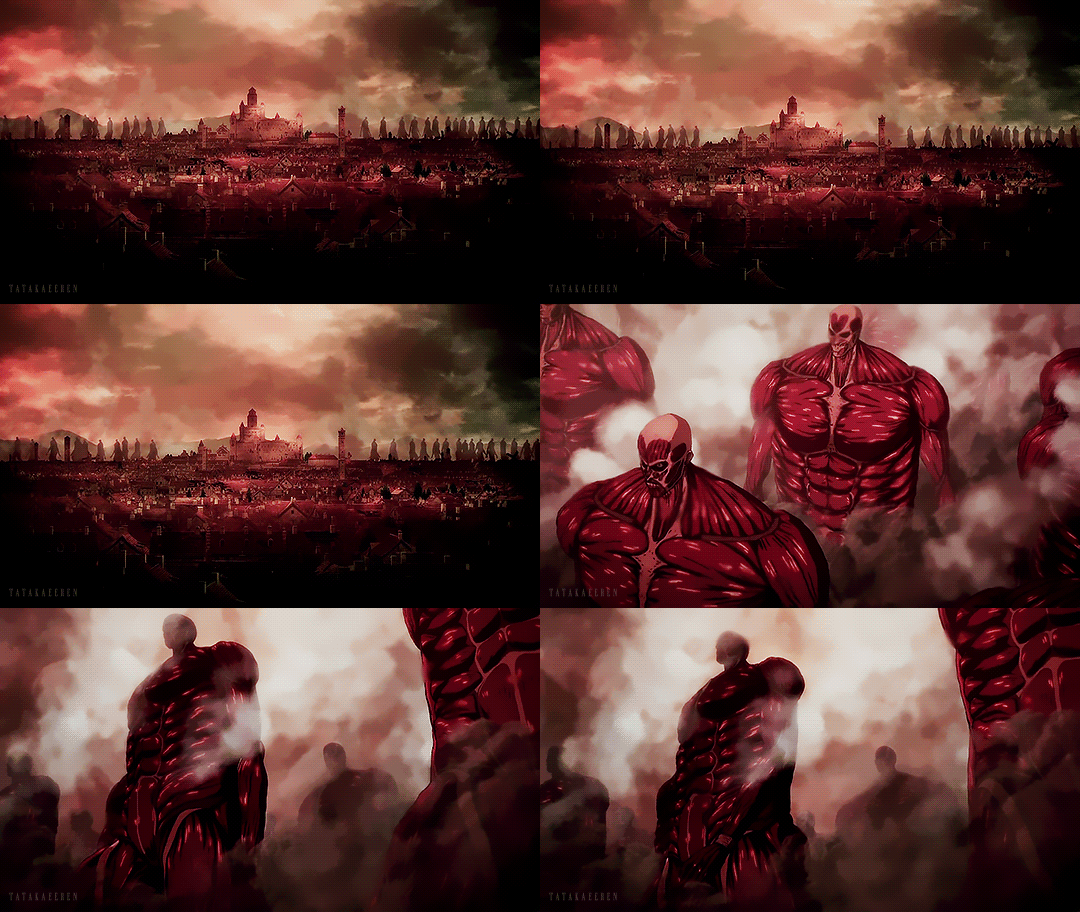
The Rumbling stands as one of the most horrifying acts ever committed by a protagonist in anime. Eren made the conscious decision to wipe out most of the world’s population, including civilians who had no role in his suffering. This was not collateral damage; it was the plan.
Worse, Eren removed choice from everyone around him. Friends, allies, and enemies alike were forced into roles he decided for them. Even those closest to him, Mikasa and Armin, were manipulated, emotionally wounded, and used as pieces in a future he refused to fully explain.
Eren also embraced a god complex, believing only he could shoulder the burden of deciding humanity’s fate. Instead of trusting others to help shape a better future, he isolated himself, convinced that domination was the only path to freedom. In doing so, he became exactly what he once hated: an unstoppable force robbing people of their lives and agency.
From this perspective, Eren didn’t just deserve his bad reputation. He earned it.
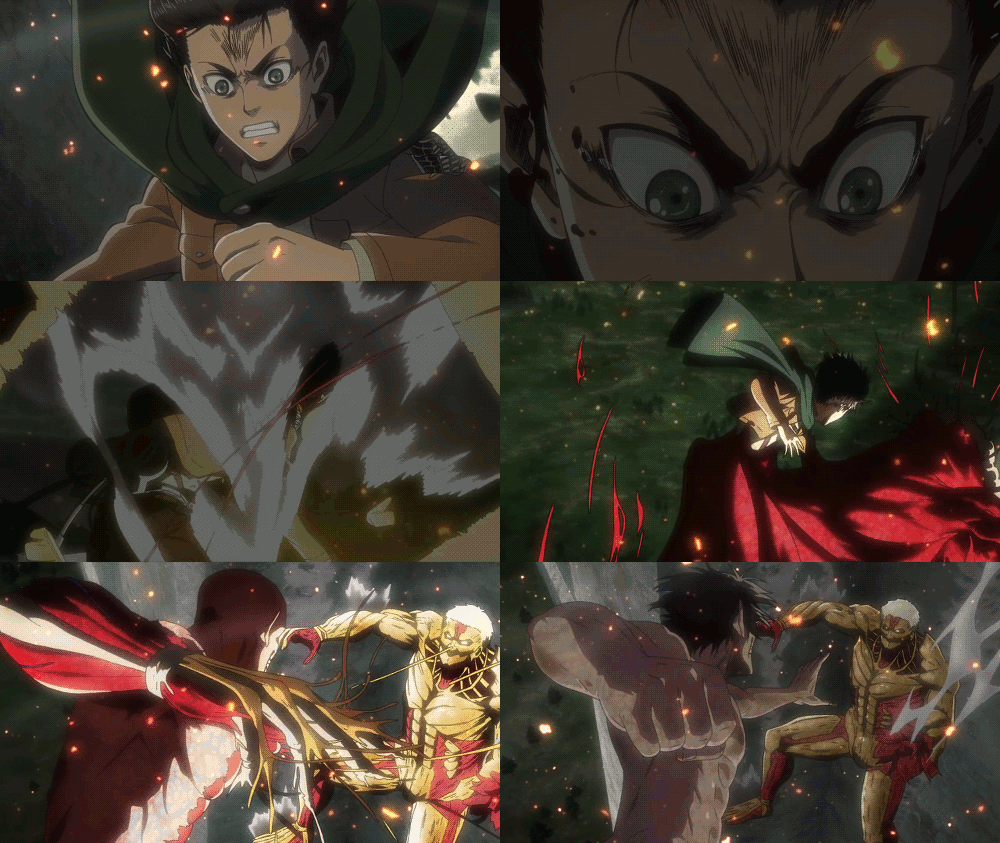
And yet, condemning Eren outright ignores the impossible world that shaped him. Eren was born into a cycle of hatred that predated him by generations. He grew up in a society caged by walls, hunted by huge monsters, and later learned that even survival wouldn’t earn his people peace, only continued persecution. Every option placed before him led to extinction, either slow or immediate.
Unlike traditional villains, Eren never enjoyed his actions. He showed clear remorse, fear, and emotional collapse long before the Rumbling began. His path was not driven by pleasure or power, but by his belief that he was sacrificing his humanity so his friends could live.
There’s also the question of fate. With his ability to perceive future memories, Eren was trapped in a closed loop where the future influenced the past. To him, his actions weren’t choices so much as inevitabilities, events he had already seen and felt powerless to change. Seen this way, Eren becomes less a monster and more a tragic executioner of a future he believed was completely unavoidable.
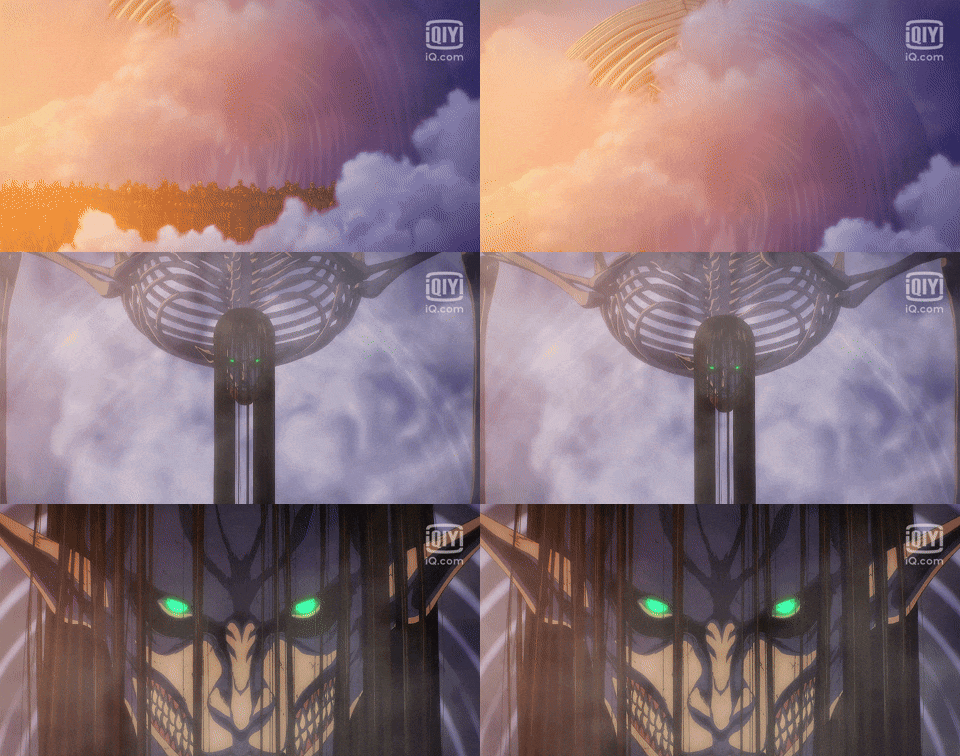
He committed unforgivable acts, yet did so in a world that repeatedly proved mercy was just a liability. His reputation as a monster is justified by his actions, but incomplete without acknowledging the system that cornered him into those choices. Eren didn’t fail because he was evil. He failed because he believed freedom could be achieved through absolute control.
In the end, Eren Yeager’s bad rap isn’t just about what he did, it’s about what happens when trauma, power, and destiny collide without restraint. Whether he deserved it or not, his story serves as a haunting reminder:
When survival demands the loss of humanity, the cost may be too high… no matter who pays it.
So, what do YOU think, does Eren deserve a bad rap? Let us know in the comments below and share this article on your socials to keep the convo going!

 The Pixel Parlor
Leave a comment