There’s something sacred about cozy comfort games, especially these days. They’re the titles we retreat to after long days, heartbreaks, burnout spirals, or just when reality feels way too loud. Soft music. Gentle routines. Familiar worlds. And yet… if you look just a little closer? Some of our coziest favorites are low-key kind of unsettling.
Let’s peel back the pastel wallpaper and examine the shadows hiding underneath!
The Sims 4
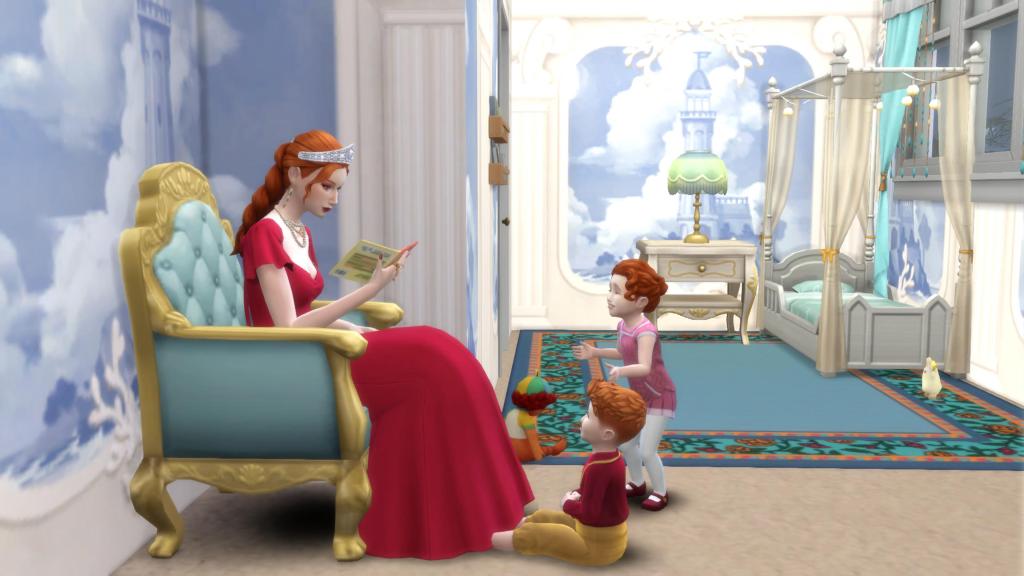
Playing as the invisible god

Building our dream homes. Designing cute outfits. Orchestrating perfect romances, or, you know… destroying them for the chaos. It’s comfort at its finest.
But here’s the uncomfortable truth: you are omnipotent. You can remove ladders from pools. Delete doors. Control who falls in love. Decide who starves. Decide who thrives.
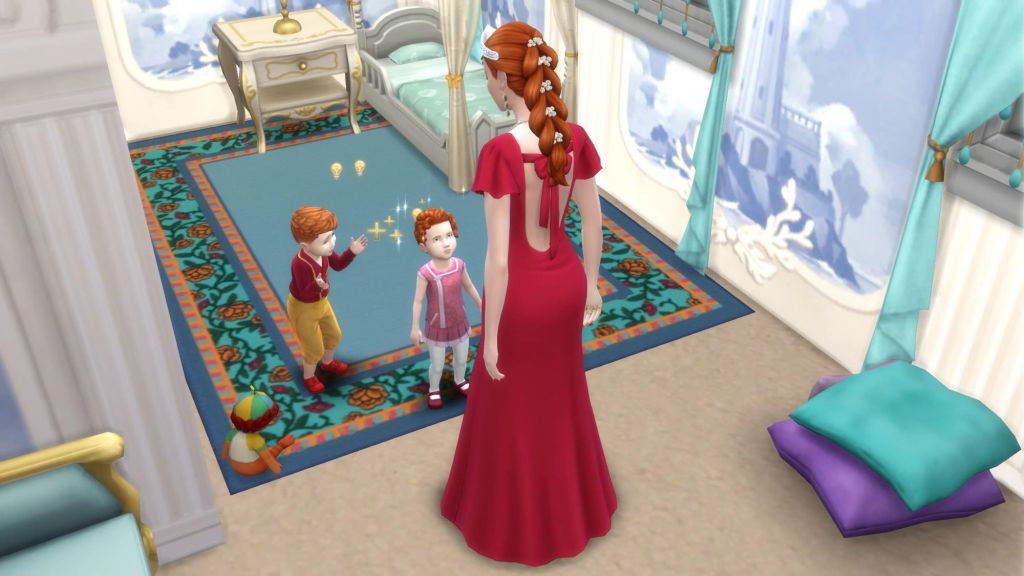
The Sims smile through it all, unaware they’re trapped in a glass box (most of the time. My favorite pop-up and detail currently in the game is a fourth-wall breaker where the Sim feels as though their life is being controlled. Same girl, same), controlled by an unseen force. Their autonomy sliders are only digital illusions of freedom. Even the bright plumbob hovering above their heads feels symbolic, a constant reminder that they’re being watched.
And then there’s the aging.
No matter how perfect you make their lives, time comes for them. Children grow up. Parents pass on. Memories get deleted with save files. The comfort comes from full control.
The disturbance comes from realizing you are both benevolent architect… and silent tyrant. I think I realized this for the first time when I was about nine playing the OG The Sims. I absolutely relished in this tiny fantasy world where I at last felt as though life wasn’t complete shit and I had a semblance of control and perceived normality, even for a little while. So while this may be a disturbing realization for some, this was definitely my awakening for my control issues as an adult!
Animal Crossing: New Horizons
Isolation, debt, and chronic cheerfulness
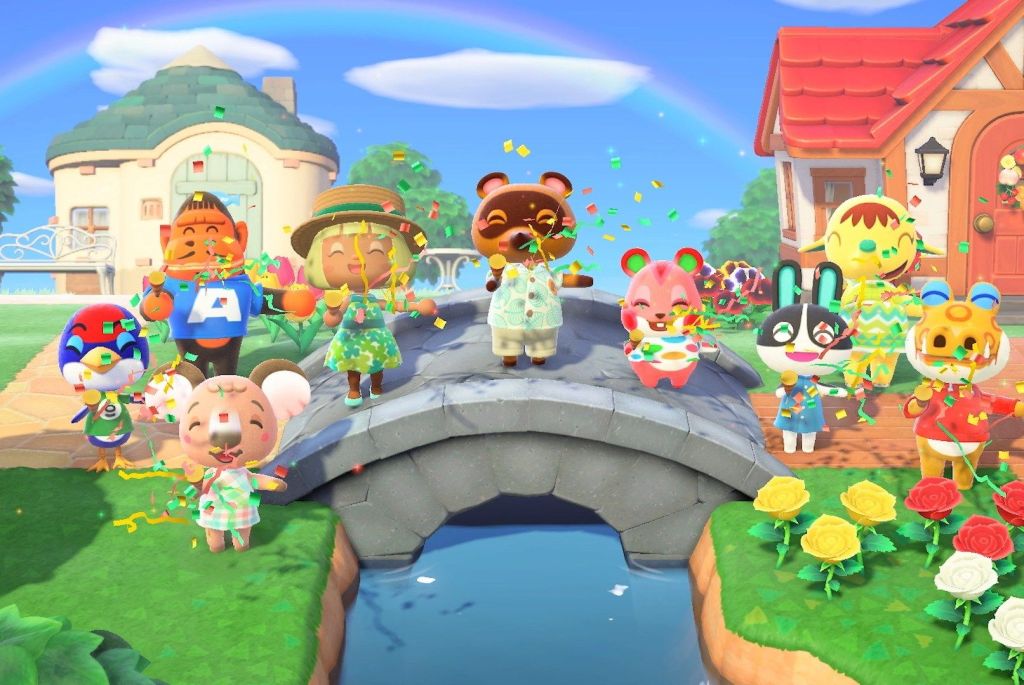
At first glance, it’s all sunshine and seashells. You decorate your little island, befriend adorable neighbors, and fish under glowing sunsets. It feels like digital therapy! But come on, let’s talk about it.
You arrive on a deserted island after signing a contract with Tom Nook. You’re immediately in debt. There’s no option to refuse. No option to leave. No option to “fail.”
The island is so peaceful… almost too peaceful. Villagers never truly argue. Conflict dissolves instantly. Seasons pass, but nothing fundamentally changes. You pay off your house only to be offered a bigger one. And then another. It’s capitalism wrapped in a lullaby.
There’s something eerie about a world where everyone is permanently pleasant and your only long-term purpose is expansion. Is it wholesome? Absolutely. Is it also a quiet commentary on consumerism and endless productivity cycles? Without a doubt. But man, is it cute.
Stardew Valley
Escaping burnout, or just repeating it?

This pixelated farm life simulator feels like a toasty, warm blanket. You leave your corporate job to rebuild your grandfather’s land. You fish. You mine. You fall in love. You restore a broken community Healing, right?
But let’s look deeper.
You wake up every day to maximize productivity. Crops must be watered. Deadlines loom with each season. Profits matter. Optimization becomes obsession. The game begins with burnout and your character is trapped in a gray corporate cubicle. The farm is supposed to be freedom, yet we find themselves grinding just as hard to maximize yield,track bundles, and just racing the clock.
And then there’s the quiet melancholy of Pelican Town. The broken families, addiction, loneliness, abandonment… whew, I could go on. Beneath the cozy aesthetic are stories of regret and stagnation.
Sure, the valley is peaceful… but it’s also filled with people trying to outrun something. And yep, that also includes you.
Comfort games aren’t necessarily disturbing in spite of their coziness. They’re disturbing because they’re honest about what they are and represent. They wrap existential themes in pastel palettes and lo-fi soundtracks. They make loneliness manageable. They turn burnout into a harvest cycle. They disguise surveillance as razzle-dazzle. And we keep going right back to them. Not because they’re purely wholesome, but because they let us hold uncomfortable truths… cozily.

Well, what do YOU think? Let us know in the comments below and share this article across your socials to keep the convo going!




 The Pixel Parlor
Leave a comment