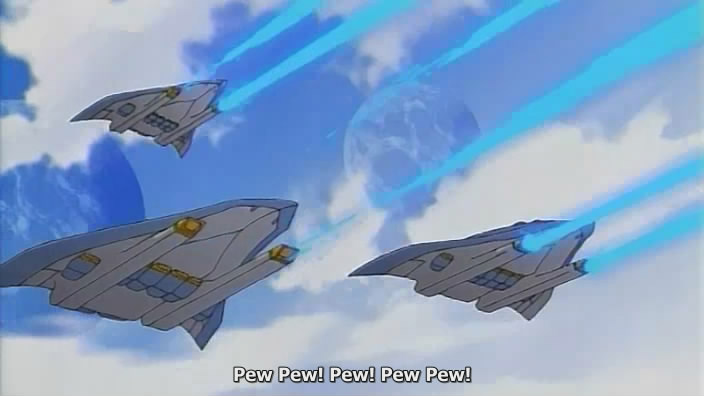
Us modern anime fans are pretty spoiled. We can pull up a streaming show and select the subtitles in a variety of languages instantly with just a press of a few buttons.
But it hasn’t always been this easy. There was a time not too terribly long ago when anime wasn’t subbed at all. Today, we’re going to take a little stroll down memory lane and discuss how a group of incredibly dedicated fans created what are known as fansubs, the beginning of subbed media.

So, what exactly is a fansub? A fansub is a fan-made translated foreign piece of media, usually one that does not have an official translation in the specific language desired. These are often not professional and are done solely for the love and appreciation of the media to preserve and share it with others.
Let’s take it back to the 1980s, where before the good ol’ internet, it was much more difficult to discover anime in the West. Fans would rely on snail mail and word of mouth when it came to learning about new shows, and during this time, early anime fan clubs began to increase in popularity among the youth in high school and college campuses. And while the building of community was an excellent step in sharing the mutual love and admiration for the culture, there was still something that needed addressed: the language barrier.
At the time, most anime was only voiced in the original language. There were attempts to create official Westernized versions, but these usually resulted in the anime’s original storyline becoming butchered and made into a children’s series. With the dilemma of the language barrier, it became clear to fans that if an official translation was not a possibility, then they would have to do it themselves.
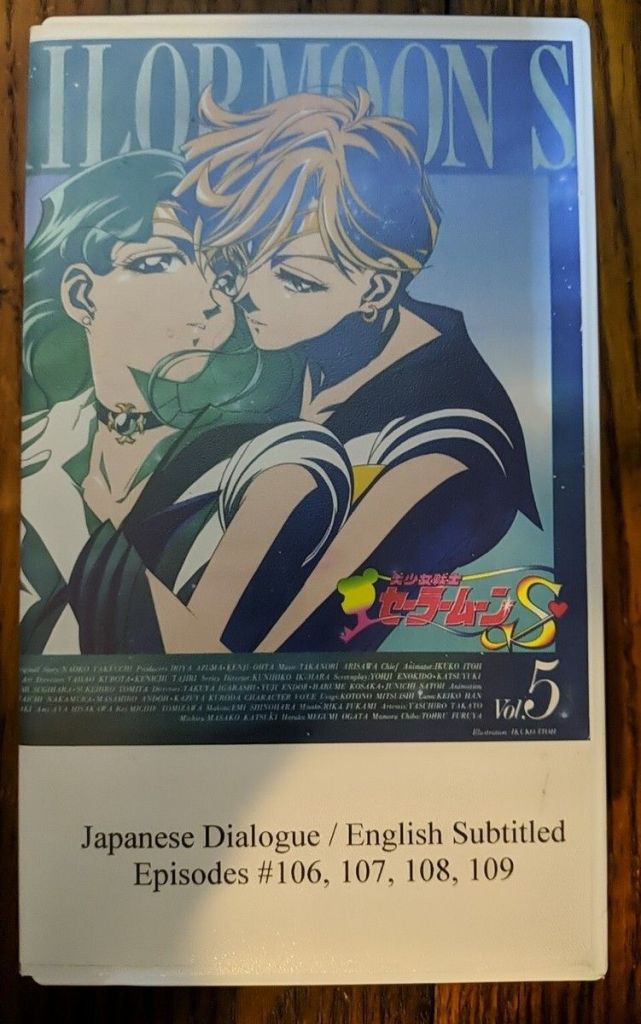
Early attempts of fansubbing before access to the internet proved to be quite a challenge. The original method required a fansubber to obtain a raw version of the anime. This would usually mean recording the originally aired version from television and purchasing it from a Japanese viewer to be mailed to the U.S. Once the raw recording arrived, it was time to translate and transcribe the original Japanese voice into an English script. After the script was completed, the fansubber would time the subtitles to match with the video. At this point, it was time to overlay the subtitles using analog video editing equipment. This was time-consuming work and the equipment was not cheap. But the idea was to use the equipment to overlay the computerized text onto the raw video in the correct time sequence. And after this was done, the final version was recorded onto a Master tape, which was then copied and ultimately distributed.

As you can imagine, with access to the internet and better technology, this painstaking process improved significantly. And over the years and with the realization that the West was enthusiastic consumers, anime and manga soon produced officially licensed subs and dubs.
Nowadays, you can find original old-school fansubbed VHS tapes on eBay and other websites. They are certainly interesting relics of a time where early fans truly put in the work to make sure their favorite media was appreciated and preserved.
What do you think, have you ever seen an early fansub? Add to the discussion in the comments and share on your socials to keep the convo going!



 The Pixel Parlor
Leave a comment