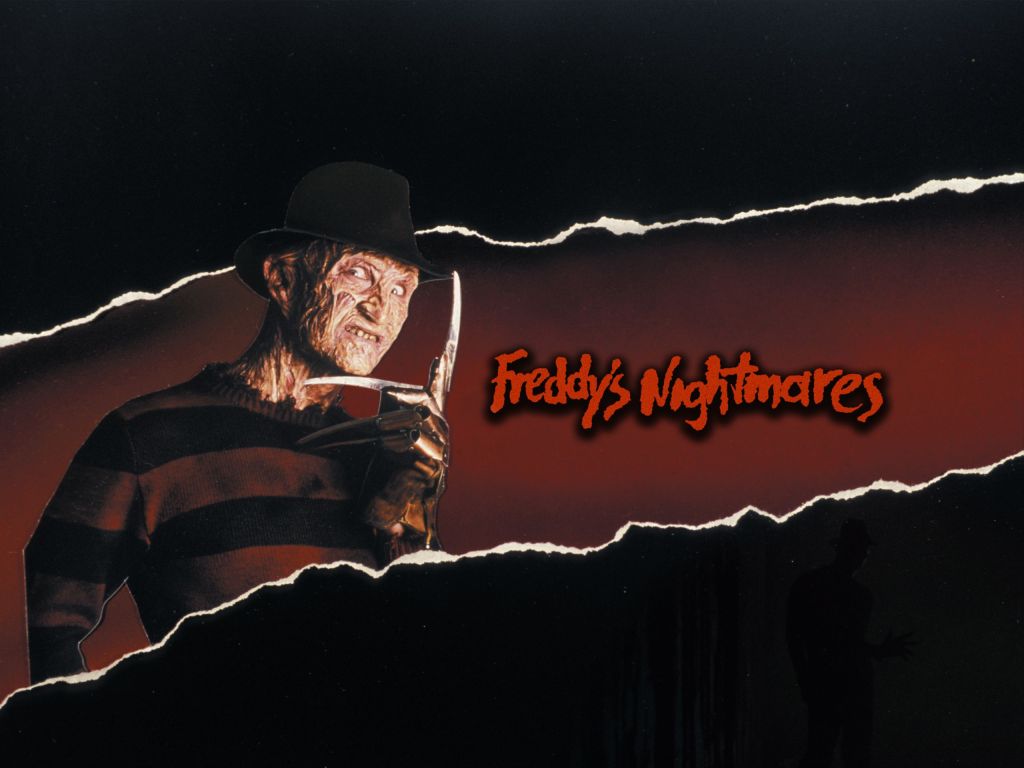
When folks think of A Nightmare on Elm Street, they usually picture Freddy Krueger slicing his way through the silver screen; cracking jokes, invading dreams, and redefining slasher horror. But for two surreal seasons between 1988 and 1990, Freddy didn’t just haunt movie theaters. He invaded living rooms every week in one of the strangest, darkest, and most underrated horror TV shows of its era: Freddy’s Nightmares.
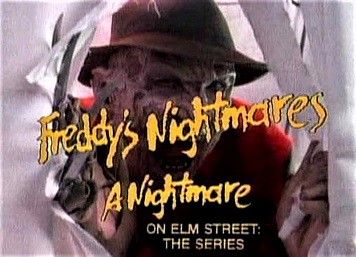
Set in the cursed town of Springwood, Ohio, Freddy’s Nightmares took a different approach than the films. Rather than focusing solely on Freddy Krueger stalking teenagers, the show treated Springwood itself as the monster. Every episode explored the ripple effects of Freddy’s crimes and how his legacy poisoned families, relationships, and entire generations.
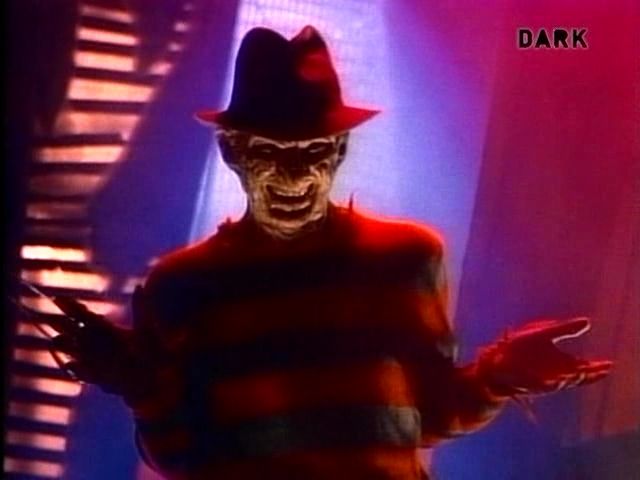
Freddy often appeared not as the main villain, but as a malevolent narrator and instigator, introducing episodes from his boiler room lair with gleeful sadism. He was less slasher, more devil-on-your-shoulder by nudging people toward their worst impulses and watching the chaos unfold. This made the show feel closer to The Twilight Zone or Tales from the Crypt, but filtered through blood-soaked suburbia and dream logic.
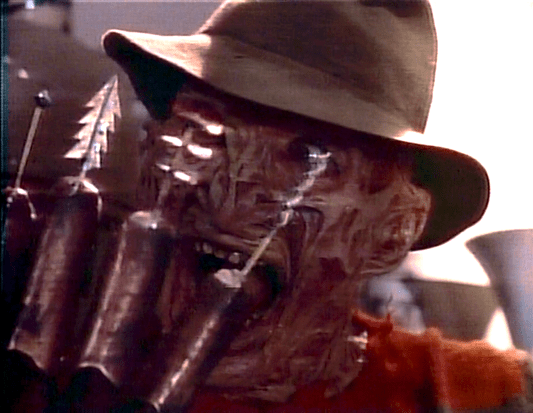
Each episode usually featured two shorter stories connected by themes of guilt, revenge, temptation, or trauma. The stories were often morally brutal: cheaters were punished, abusers met grim ends, and characters who tried to bury their pasts found it clawing back… sometimes literally.
Robert Englund’s presence is the glue that holds the show together. Even when Freddy only appears briefly, Englund plays him with theatrical wicked one-liners straight into the camera. Freddy becomes something closer to a demonic storyteller, enjoying human suffering the way a stand-up comic enjoys a punchline. It’s a different interpretation of the character, but one that works perfectly for the anthology format. In many ways, this version of Freddy feels more unsettling than his later film appearances. Less cartoonish and more knowingly cruel.
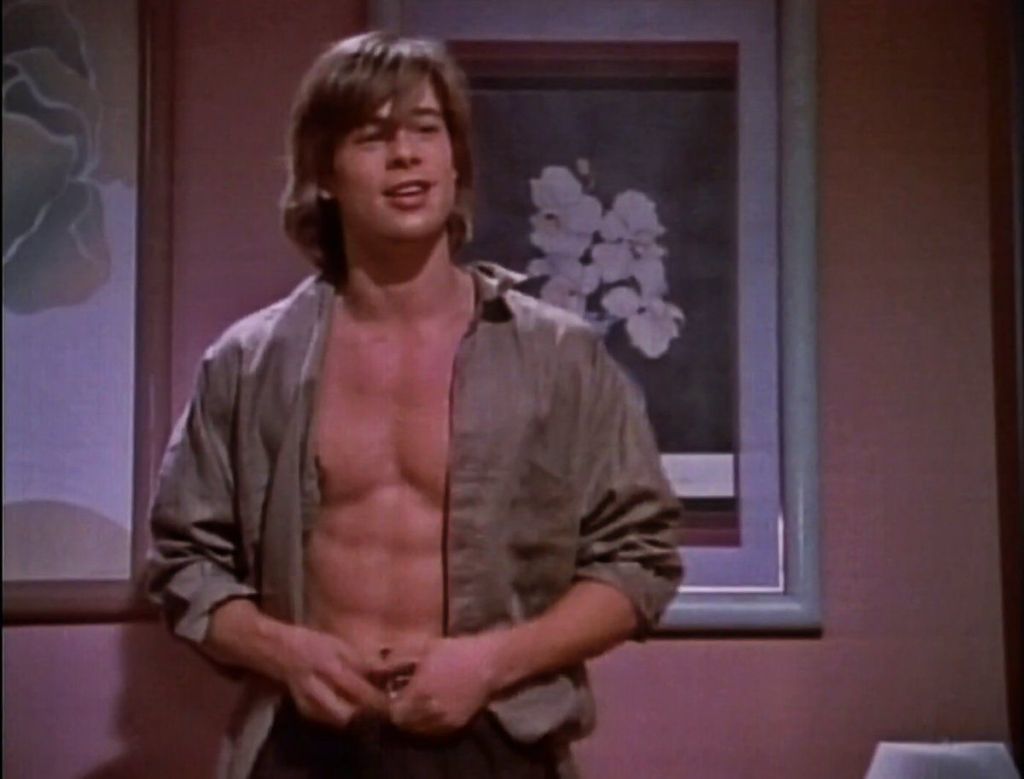
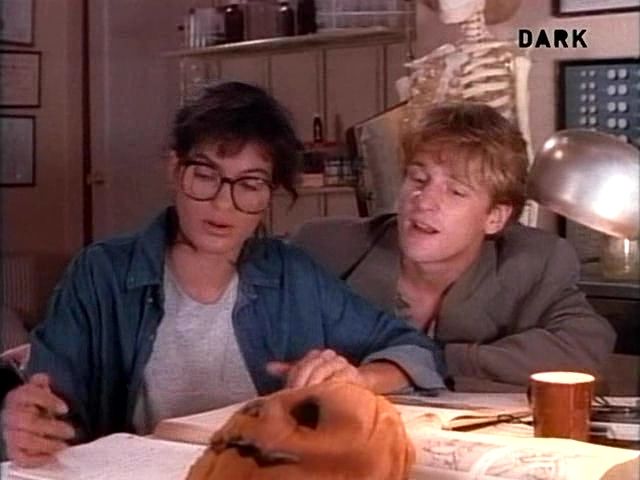
Okay, let’s be so for real: Freddy’s Nightmares was never an A-list production. The special effects are dated, the acting varies wildly, and the dream sequences range from imaginative to outright bizarre. But come on, that’s part of the campy charm! The show leans hard into surreal imagery of foggy streets, warped dreams, sudden tonal shifts, and often feels like a nightmare you half remember after waking up at 3 AM. It’s messy, strange, and unpredictable in the best cult-TV way.
Though it only ran for two seasons, Freddy’s Nightmares occupies a fascinating place in horror history. It managed to expand the Elm Street mythos beyond just Freddy’s ghastly tale. It also helped to normalize darker horror anthologies on television.
Today, it’s largely absent from streaming platforms and physical releases, which only adds to its legend. Fans who’ve seen it speak of it like a forbidden tape… something you weren’t supposed to watch, but did anyway. But you know your girl is a master of locating those long lost treasures! You can currently find Freddy’s Nightmares on Roku’s Horror Stories channel and Tubi.
Well, what do YOU think, do you ‘member watching this crazy, gory cult classic? Let us know in the comments below and share this article on your socials to keep the convo going!


Leave a Reply