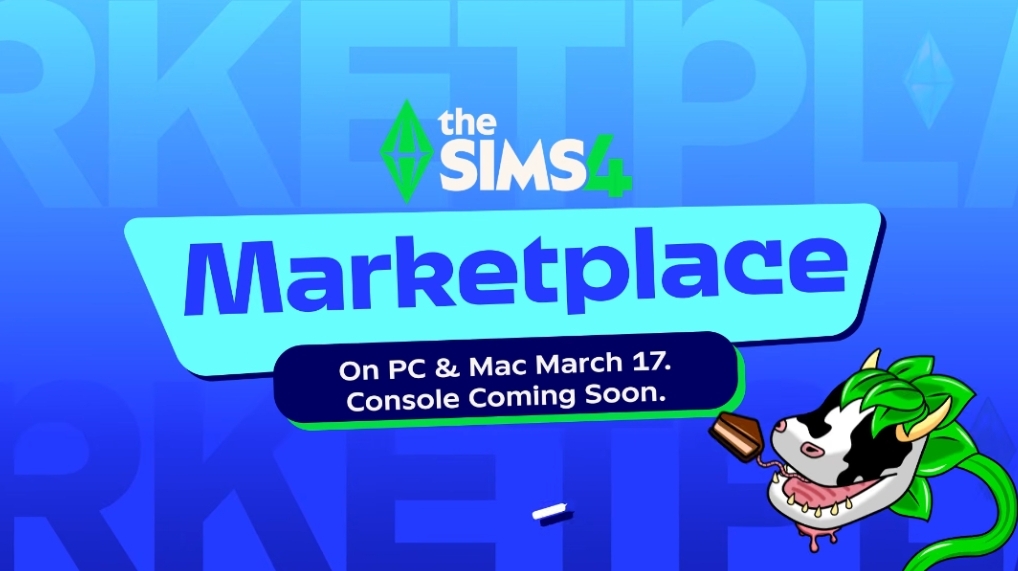
When The Sims 4 introduced its long-awaited Marketplace alongside the new “Moola” currency, it promised something exciting: a centralized hub where creators could share content and players could access curated, high-quality additions. On paper, it sounds like a win for everyone. In reality, the system has sparked a wave of criticism… and for good reason. Let’s break down the biggest negatives of this controversial shift.
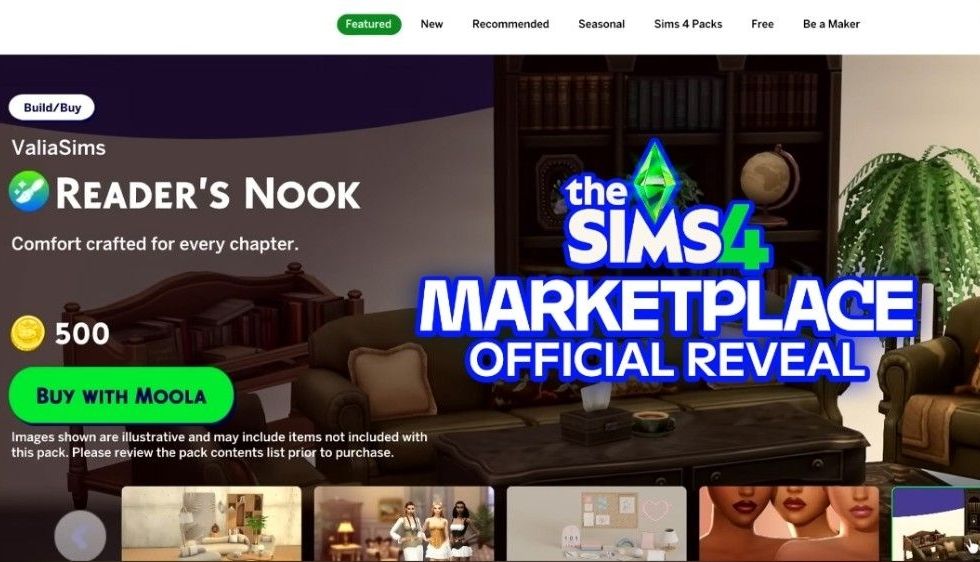
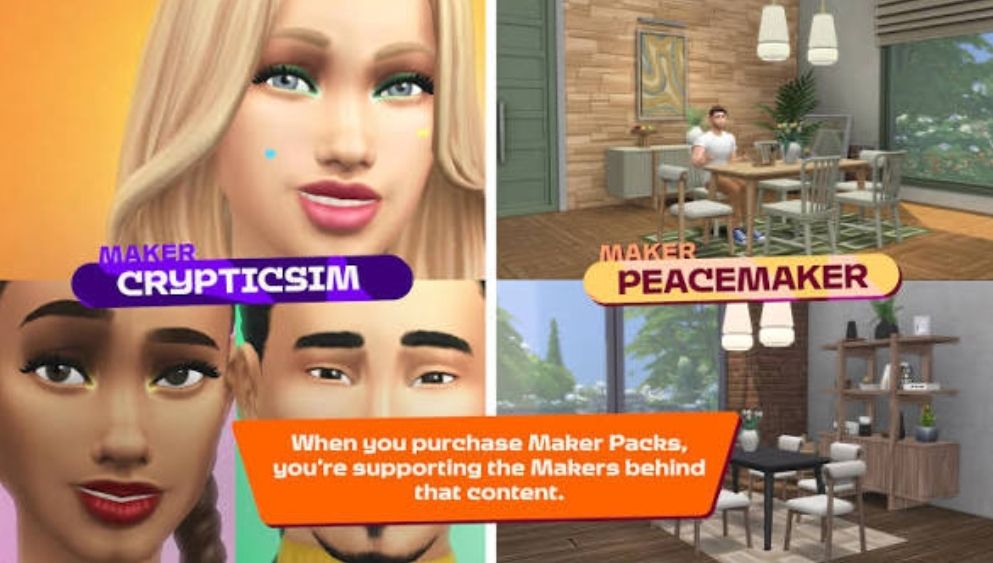
For years, The Sims 4 and it’s predecessors thrived on a vibrant modding community. Players could download custom hairstyles, furniture, clothing, and gameplay tweaks completely free. Now with the new Marketplace, many of those same items are being sold as “Maker’s Packs”, monetizing content that once existed for free. This shift feels like a cultural downgrade. What was once a community-driven ecosystem is now partially gated behind paid access, turning creativity into a commodity.
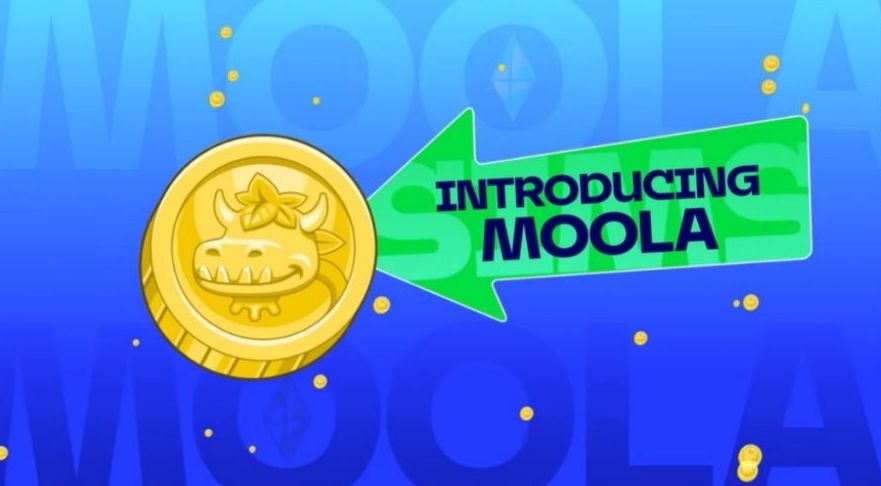
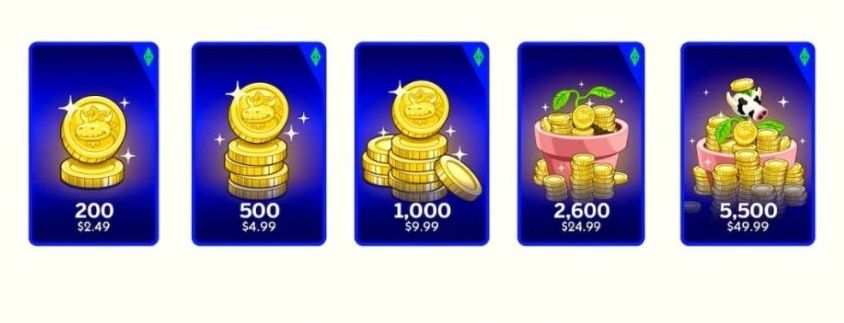
Now let’s discuss the “double currency” issue with the new Moola system. Moola introduces a second economy layered on top of real-world currency. In order to download packs and digital extras, you have to buy Moola with actual money (currently the rates are $2.49 for 200 Moola, $4.99 for 500 Moola, etc.) which in turn creates what can definitely be described as a disconnect between virtual gameplay and real spending. Case in point, how many times have you spent actual money to advance in those silly mobile games, only to realize you had been nickled and dimed out of ten to twenty dollars for nothing of actual value in return? That is certainly what we can potentially expect for The Sims 4.
So, for a game that is already jam-packed with pretty expensive DLC, the addition of this Marketplace and the premium currency just feels like overkill. I, like many avid players, have spent anywhere between hundreds to even a thousand actual bucks on expansions and packs over the years. Adding this extra layer of monetization is frustrating, to say the least.
Now, one can argue that the Marketplace had good intentions for the mod creators by providing them with compensation for their hard work. Because let’s be honest, The Sims would have been NOTHING without the long-standing community of modders throughout time. But with compensation only at around 30% of sales revenue coming back to the creators, this seems pretty disrespectful and disappointing.
That being said, the biggest disappointment isn’t financial, it’s cultural. The Sims has always been about sharing, experimenting, and community-driven creativity. Turning mods into Marketplace products risks discouraging free sharing and prioritizing profit over passion, and passion has always been the forefront of this incredible community.
The Marketplace and Moola system aren’t inherently bad ideas. Supporting creators and providing safe, curated content is a solid goal. But at what point does it just become an additional cash-grab when community satisfaction should be the end goal? I reckon time will tell if Marketplace and Moola stick around for the long-term.
Well, what do YOU think? Be sure to share this article on your socials to keep the convo going!




Leave a Reply