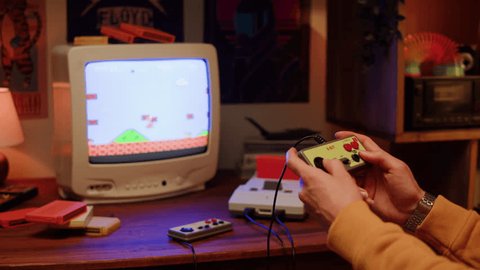
There’s something oddly peaceful about standing at a save point. The soft chime, the flicker of a glowing crystal, the gentle hum of pixel ambience. It’s a moment of pause in a world designed for chaos. In the 8 bit and 16 bit eras, games demanded patience. They didn’t shower you with checkpoints or autosaves; instead, they offered rare sanctuaries. Quiet corners where you could breathe, reflect, and prepare for the next challenge.
For many players, those brief pauses became rituals of mindfulness long before the term “self-care” entered gaming culture.
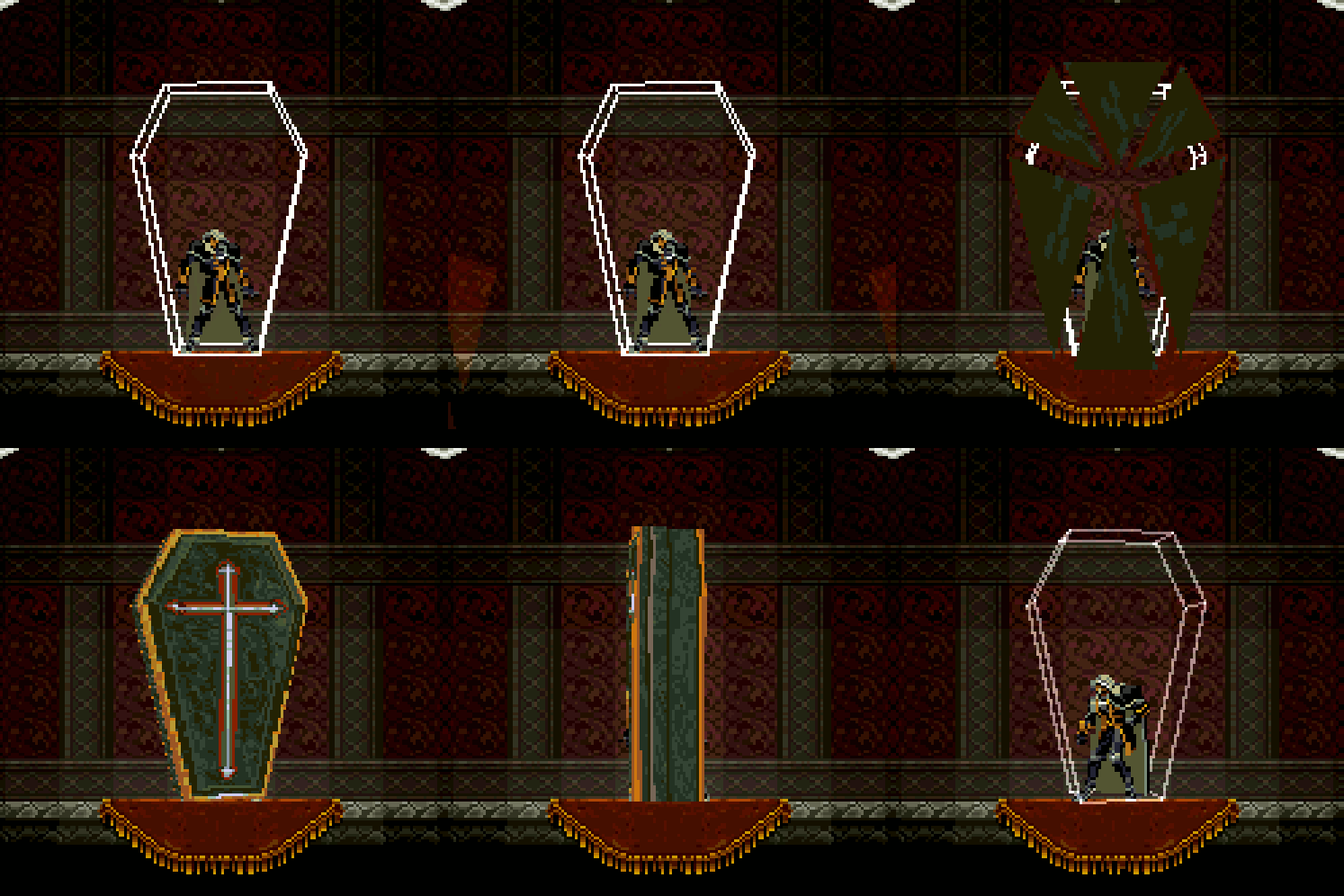
Retro games taught focus through scarcity. With just three lives and no autosave, every move mattered. Whether you were climbing Castlevania’s gothic towers or navigating Final Fantasy VI’s pixelated opera, tension was part of the design. You weren’t just playing, you were learning discipline, rhythm, and patience.
Today’s games often emphasize constant motion, endless side quests, and perpetual alerts. But older titles? They gave you permission to stop! The quiet menu music and static save icons weren’t just technical necessities; they were acts of pacing. Like the game telling you, you’ve come far, take a moment.
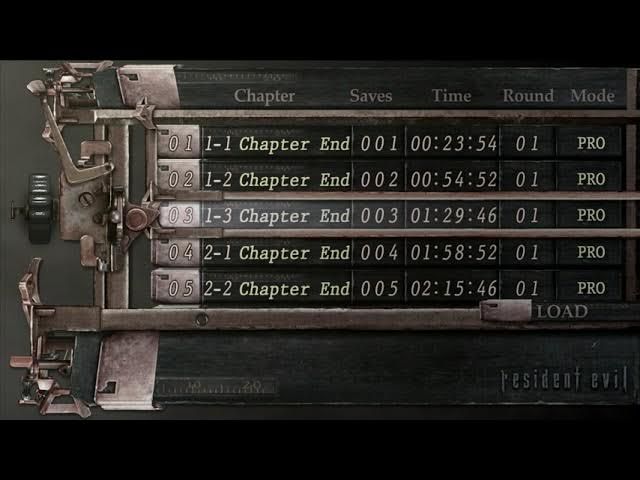
Think back to those save room themes:
• The melancholic piano in Resident Evil’s typewriter rooms.
• The gentle harp in Final Fantasy IX’s world map screen.
These weren’t just background tracks, they were emotional resets. Developers composed intentionally soothing melodies to separate safety from stress. The contrast between chaos and calm made progress feel earned.
It’s no coincidence that modern lo-fi gaming playlists borrow heavily from these melodies. The same chords that once soothed players before a boss fight now fill our coffee shops and creative spaces and allow an ambient link to the calmness of our digital childhoods.
In an unexpected way, those early games pioneered mindfulness. They taught players to appreciate quiet intervals and to find satisfaction in routine. Grinding for XP wasn’t just repetition, it was meditation through motion. The flicker of pixel light, the click of a controller, the rhythm of healing spells, all built a flow state where time dissolved.
Games like Harvest Moon and Animal Crossing took this to heart, turning play itself into peace. They specialize in cozy gaming, where farming, cooking, and fishing are modern-day save points for stressed out players.
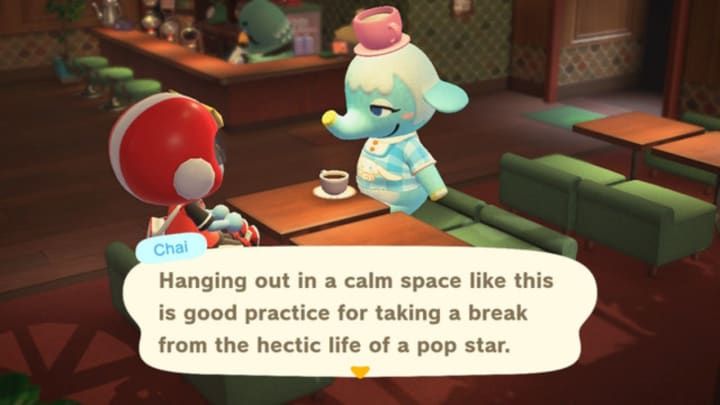
In the era of constant notifications, maybe we miss what those glowing crystals taught us: the value of stopping. Retro games didn’t need mindfulness apps, they were mindfulness lessons disguised as adventures.
So next time you sip your coffee, take a page from your old cartridges:
Pause. Save. Breathe.

Because serenity, like any rare item, is worth protecting.



 The Pixel Parlor
Leave a comment