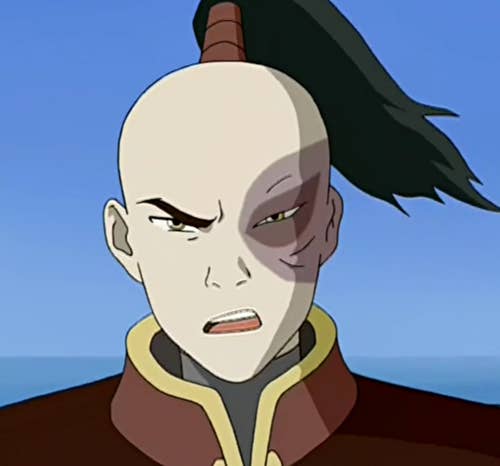
Welcome back, adventurer, to a brand new bad rap segment! Today we’re discussing the bold fire nation prince with a hot temper and an even hotter redemption arc. That’s right, let’s dig in on the one and only Zuko!
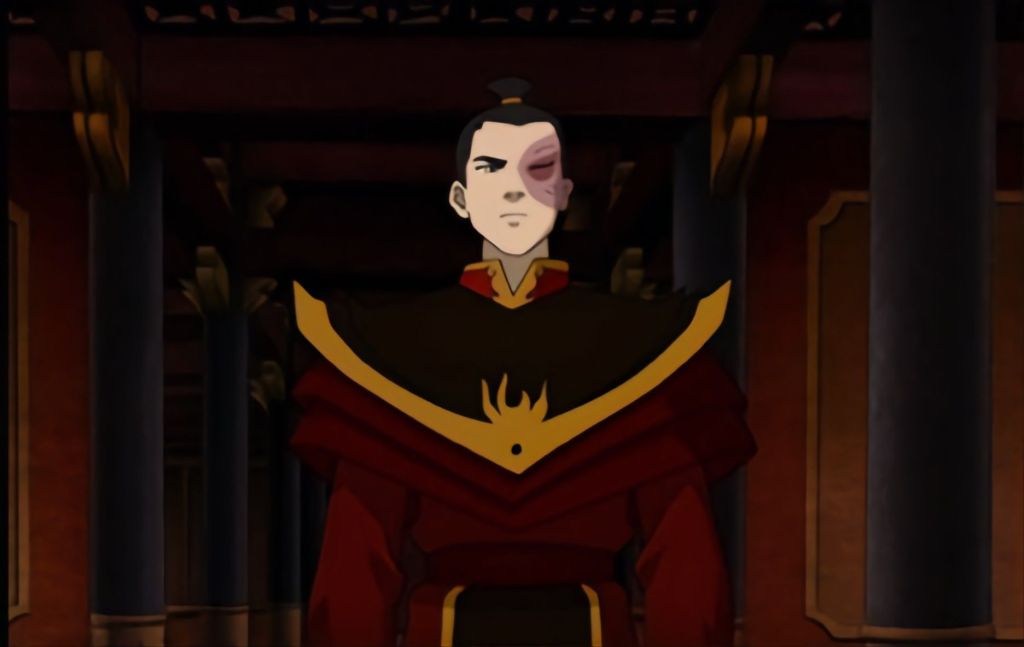
Few animated characters have endured a reputation as complicated as Prince Zuko from Avatar: The Last Airbender. Introduced as a relentless antagonist hunting the Avatar, Zuko spends much of the series branded as hot-headed, cruel, and obsessed with honor. For many viewers, especially early on, he’s easy to dislike. At the start of the series, Zuko is defined by aggression and obsession. He terrorizes villages, threatens civilians, and repeatedly attempts to capture Aang with little regard for collateral damage. His fixation on “restoring his honor” makes him seem selfish, especially when contrasted with the Avatar’s compassion and reluctance to fight.

Zuko’s anger is volatile and often misdirected. He lashes out at his uncle Iroh, the one person consistently trying to guide him toward peace, and he frequently chooses pride over reason. To the outside world, Zuko appears to be just another Fire Nation tyrant-in-training: ruthless, entitled, and emotionally unstable. His infamous scar only deepens this perception. While it symbolizes trauma and abuse, many characters in the series initially see it as proof of his violence rather than his victimhood, reinforcing the idea that Zuko is dangerous and untrustworthy. This distrust follows Zuko even after he abandons his hunt for the Avatar. Villagers fear him. Allies reject him. Redemption, for Zuko, is not just an internal struggle, it’s a social one.

What ultimately sets Zuko apart is his capacity for change. Unlike many villains, he is deeply introspective. His anger stems from shame, rejection, and a desperate need for approval from a father who abused him emotionally and physically. Once Zuko begins to understand that his “honor” was never truly lost, his worldview starts to shift. Perhaps most importantly, Zuko takes responsibility for his past. He doesn’t excuse his actions or expect forgiveness. When he joins Team Avatar, he works to earn their trust, acknowledging the harm he caused rather than minimizing it. This accountability is rare in redemption arcs and makes his transformation feel genuine.
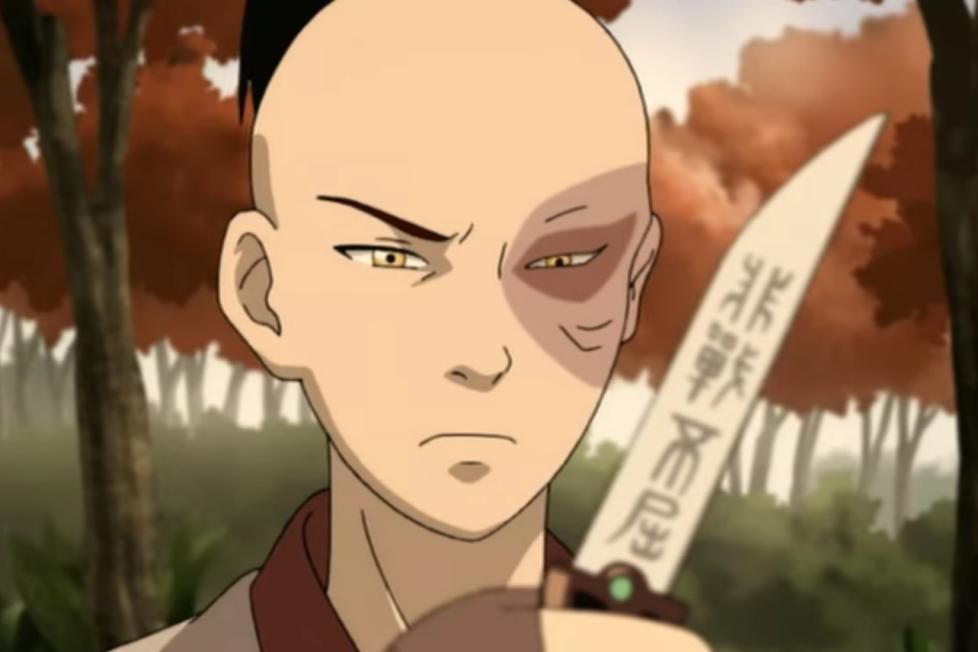
So, does Zuko deserve his bad rap? Sure. In the end, Zuko’s bad reputation doesn’t just disappear overnight. But that’s the point. Avatar: The Last Airbender allows him to grow without erasing his past, showing that redemption isn’t about being forgiven. It’s about becoming better.

What do YOU think? Comment below and share this article on your socials to keep the convo going!





 The Pixel Parlor
Leave a comment