
This last week, I experienced a brief period of internet service disconnection. No biggie, it happens. I figured this would be a nice little break from my constant social availability and would give me some much-needed gaming therapy, mainly The Sims 4 and solo ghost huntin’ investigations on Phasmophobia. However, after booting up my console, I ran into an issue I hadn’t expected: neither of those games would start due to the fact that there was no internet service. I sat there for a moment, not in complete disbelief, but rather pure annoyance. At what point have the majority of console games become unplayable offline?
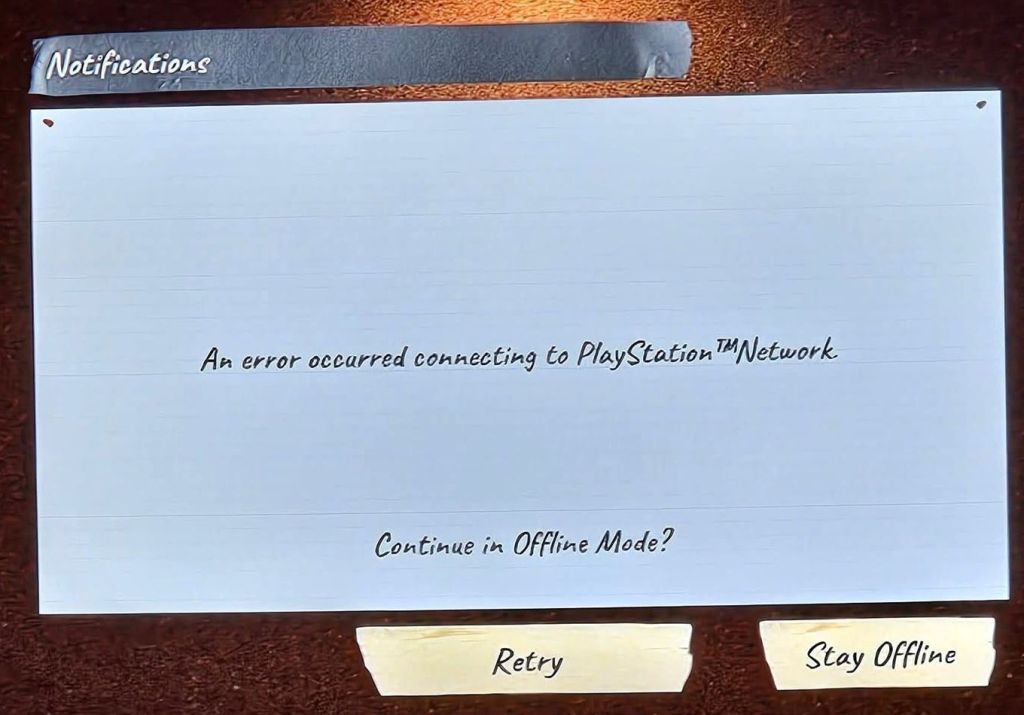
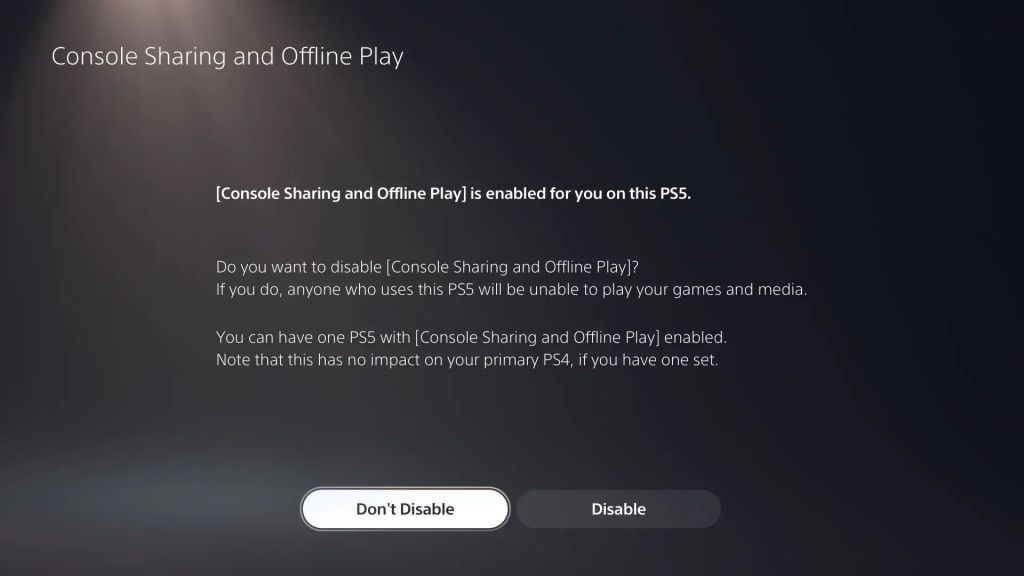
For decades, console gaming came with one major promise: once you bought the game, it was yours to play whenever you wanted. No signal. No servers. No login screens. Just power on the console and escape into another world. Yet that promise is quickly disappearing on the PS5. A growing number of PS5 titles now require persistent internet connections, server authentication, or online check-ins just to access content, even in games that appear to be primarily single-player experiences. For many players, this trend feels less like innovation and more like a warning sign for the future of gaming ownership. And before y’all start hitting up the comment section, yes, I am well aware that the PS5 has an offline mode accessible in settings. However, this mode must be activated while the internet is still connected, and I feel this feature absolutely misses the point entirely.
The rise of digital storefronts already changed how players purchase games. Physical discs increasingly function more like “access keys” than complete products, often requiring massive downloads and patches before a game can even launch. The issue is not simply inconvenience. It is the growing realization that players no longer truly own the games they buy. So, if servers go offline years later, what happens to the game? That question has become increasingly alarming as publishers shut down online services with little warning.
Many gamers understand internet requirements for competitive multiplayer titles. Few people expect to play a live-service shooter offline. But my and many others’ frustration begins when story-driven or solo-focused games suddenly demand connectivity. For rural players, military families, travelers, and anyone with unstable internet, these requirements can make a premium $70 or greater purchase feel unreliable. One of the biggest appeals of consoles was the simplicity. Unlike PC gaming, consoles traditionally offered a plug-and-play experience. The more online restrictions become normalized, the more that advantage disappears. The industry often assumes constant connectivity is universal, but that simply is not true. Countless players still experience data caps, slow broadband, rural internet limitations, shared household bandwidth, and in my case, frequent outages. For these players, online-only gaming can turn a relaxing hobby into a technical headache.
And then we have the major preservation problem. Classic cartridges and discs from older generations can still function decades later. But modern games increasingly rely on external servers, cloud authentication, and online ecosystems that may not exist forever. Once those services disappear, parts of gaming history risk vanishing with them. Some games have already become impossible to experience in their original form after servers shut down. For an industry built on nostalgia and legacy franchises, that possibility feels deeply ironic.
Gamers have become increasingly vocal about preservation, ownership rights, and offline functionality. Some now specifically seek out fully offline-compatible games, physical editions with complete data on disk, and developers committed to preservation. The backlash against online-only restrictions shows that players still value permanence and accessibility. Convenience matters, but reliability matters too.
Well, what do you think? Let us know in the comments below and share this article on your socials to keep the convo going!



Leave a Reply