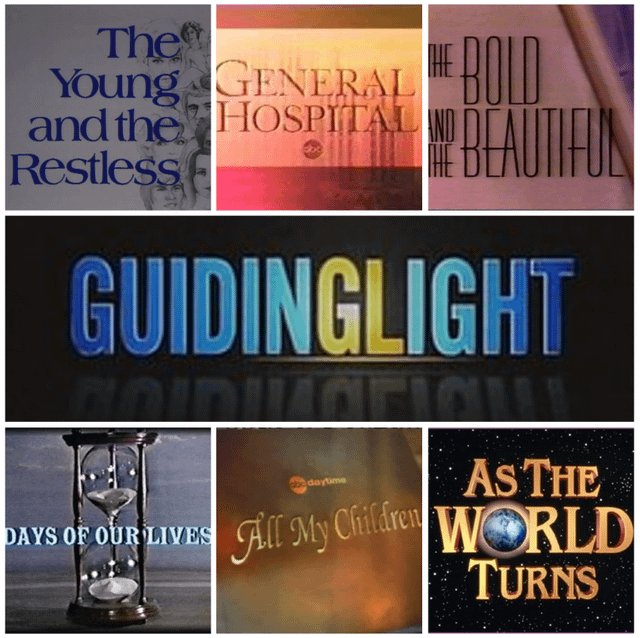
Back in the 90s and early 2000s, my mother was obsessed with “her soaps.” She could give you the lore and complete family tree of every single character on One Life to Live, Days of Our Lives, All My Children, and of course General Hospital. As a matter of fact, we got TiVo (‘member TiVo?) simply because she worked nights and had to sleep during the day, so she’d record her soaps to enjoy while applying her makeup for the long shift ahead. Despite this, she couldn’t seem to understand my brother’s and my love for anime and gaming. Which begs the question: are soap operas actually different than any other nerdy fandom? Let’s buckle in and discuss!
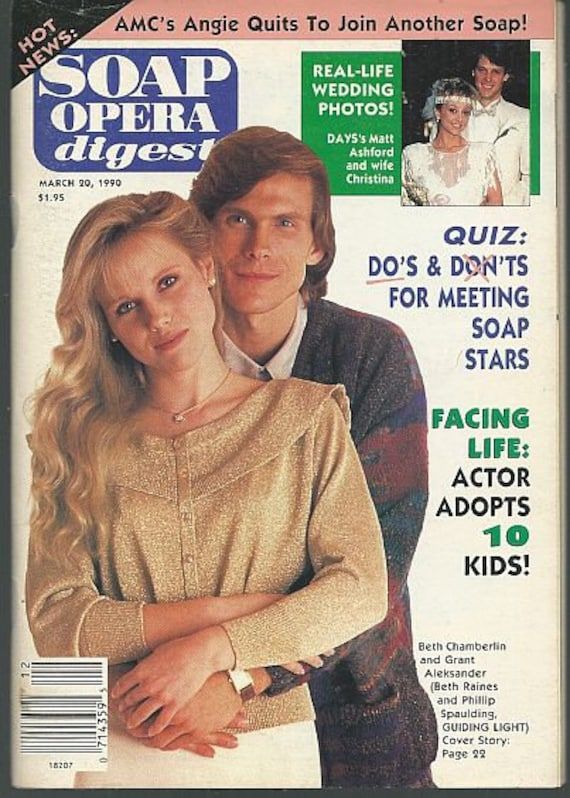
There is a strange cultural assumption that nerds spend their days discussing video games, anime, comic books, fantasy novels, and tabletop RPGs, but somehow watching a soap opera doesn’t qualify. Why? Because if you strip away the melodramatic music, dramatic hair flips, and impossibly expensive hospital rooms, soap operas are ridiculously nerdy.
Think about it! You have fictional universes that have existed for decades. Characters with complicated backstories. Family trees that require flowcharts. Characters who “died” only to return years later. Secret identities, evil twins, amnesia, time jumps, tons of recasts, retcons, supernatural storylines, international conspiracies… the list literally goes on and on. And, perhaps most importantly, lore.
So why isn’t the person who can explain 40 years of General Hospital history considered just as nerdy as the person who can explain the entire Kingdom Hearts timeline?
A good nerd loves lore. Ask a Star Wars fan about the history of the Jedi Order and prepare yourself for a lecture. Ask a soap opera fan about the history of a fictional family and you may want to clear your afternoon. Soap operas don’t simply have stories, they have entire sagas.
Some shows have been running for generations, meaning their fictional universes can contain decades of interconnected relationships, betrayals, marriages, divorces, murders, births, disappearances, corporate takeovers, and family secrets. A character isn’t simply someone’s boyfriend. They’re the son of a character who was married to someone who was secretly related to the person who tried to kill their father, who was presumed dead but was actually living under an assumed identity. Talk about drama!
Here’s another thing nerd culture understands very well: Canon matters.
Ask a comic-book fan whether a particular event happened in continuity and you might accidentally start a three-hour discussion about alternate universes. Soap fans understand this pain. When you’ve been watching a fictional universe for years, or decades, you remember things. You remember who dated whom. You remember which characters were related. You remember the suspicious circumstances surrounding someone’s disappearance. And when a writer suddenly decides that something never happened?
Oh, there will be consequences. My mother had these events hard-wired into her brain and could recall them before we ever had our old-school dial up internet. And you better believe she was one of those who’d write letters to the network when a miniscule piece of lore fell through the cracks in the writer’s room.
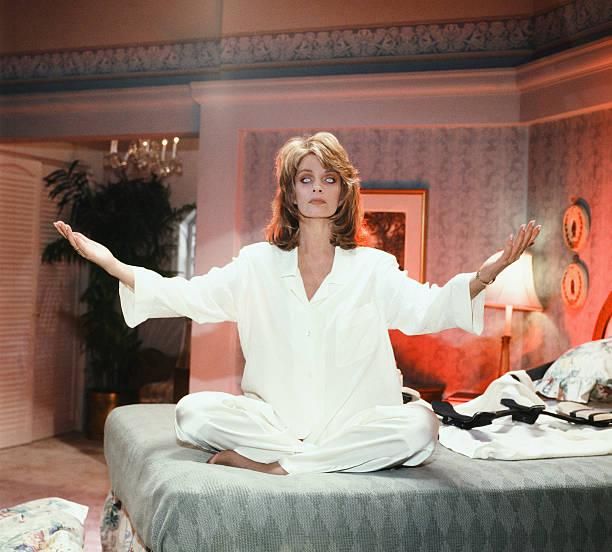
So, are soap operas nerdy? Absolutely. But perhaps the more interesting question is: Why don’t we traditionally think of them that way?
“Nerdy” has historically been associated with particular interests: computers, science fiction, fantasy, comics, gaming, anime. But fandom has never really been about the subject. It’s about passion, knowledge, community, and obsession.
And soap operas have all four.
They have enormous fictional universes, dedicated fan communities, decades of continuity, encyclopedic lore, shipping wars, villains, theories, memes, conventions, fanfiction and family trees resemble the branching map of a complicated RPG.
Soap operas are nerdy. They’re just a different flavor of nerdy. The soap fan isn’t necessarily sitting in a gaming chair surrounded by RGB lighting. They might be sitting on the couch with a can of Diet Coke, watching someone discover that their supposedly dead father is actually alive and thinking:
“I knew that man wasn’t really dead!”
And honestly? Respect.
Because whether you’re debating the timeline of Kingdom Hearts, the genealogy of the Skywalker family, or the latest scandal involving a fictional family in Salem, the fundamental experience is the same: Nerdiness isn’t defined by the fandom. It’s defined by the level of enthusiasm.
Well, what do you think? Go ahead and comment below and share this article across your socials to keep the convo going!


Leave a Reply